
July 23, 2026
Prepping Your Deck for Colorado Winters
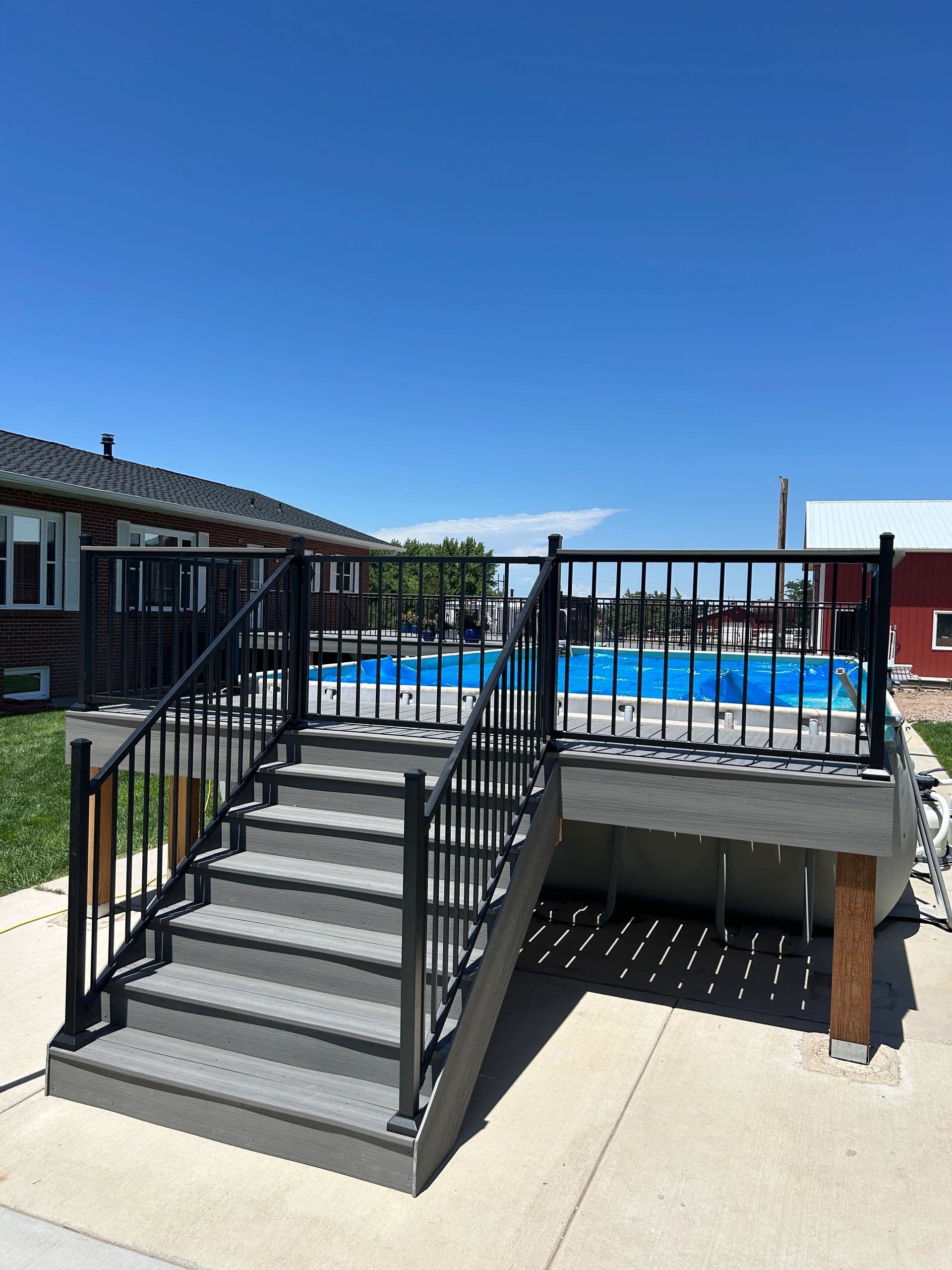
Northern Colorado winters are hard on an outdoor deck — freeze-thaw cycles, heavy snow loads, and dry cold air all take a toll if a deck goes into the season unprepared. A little work in the fall goes a long way toward protecting the investment and avoiding bigger repairs come spring.
Start with a thorough cleaning. Clear off leaves, dirt, and debris, especially from between boards where moisture collects and can't dry out properly. Trapped moisture under snow cover is one of the main causes of rot and mildew over the winter months.
Inspect before the snow flies, not after. Walk the deck and check for loose or popped screws, soft or splintering boards, and any wobble in the railings or stairs. It's much easier — and cheaper — to fix a small issue in October than to discover it's become a bigger structural problem after months under snow load.
If you have a wood deck, this is the last realistic window to apply a fresh coat of sealant or stain before temperatures drop too low for it to cure properly. A good sealant is your deck's main defense against moisture getting into the wood and causing it to crack or warp through repeated freezing and thawing.
Composite decking needs less maintenance, but it isn't zero-maintenance. Give it a wash to clear off dirt and pollen buildup, and check that any fasteners and connections are still snug — composite boards expand and contract with temperature swings just like wood does, though generally with less drama.
Think about snow removal before you need it. A plastic shovel (never metal, which can scratch or gouge decking) and a plan for where the snow actually goes matters more than people expect — piling snow directly against siding or railings can cause its own moisture problems.
Finally, take a look at drainage. Make sure water isn't pooling anywhere on the deck surface or backing up against the house, and that any gaps or spacing between boards are still clear enough to let water and snowmelt drain through instead of sitting on the surface.
A deck that's properly prepped in the fall comes out of a Northern Colorado winter in far better shape than one that isn't — and it's a lot less expensive than repairing storm or freeze damage in the spring. If you're noticing soft spots, loose railings, or a deck that's overdue for some attention before winter, we're happy to take a look and let you know honestly what it needs.